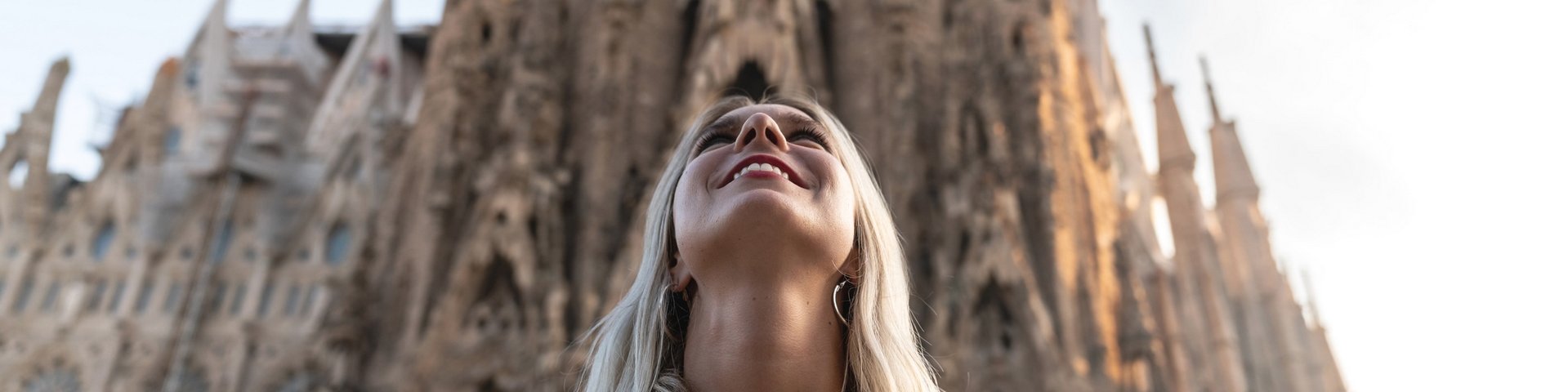
With the sea right in the city centre, Barcelona is a cultural and festive destination, with many sites to visit, such as the famous Sagrada Familia. Discover our selection of places you absolutely must see over a three-day weekend!
Book a train ticket
Book a train ticket
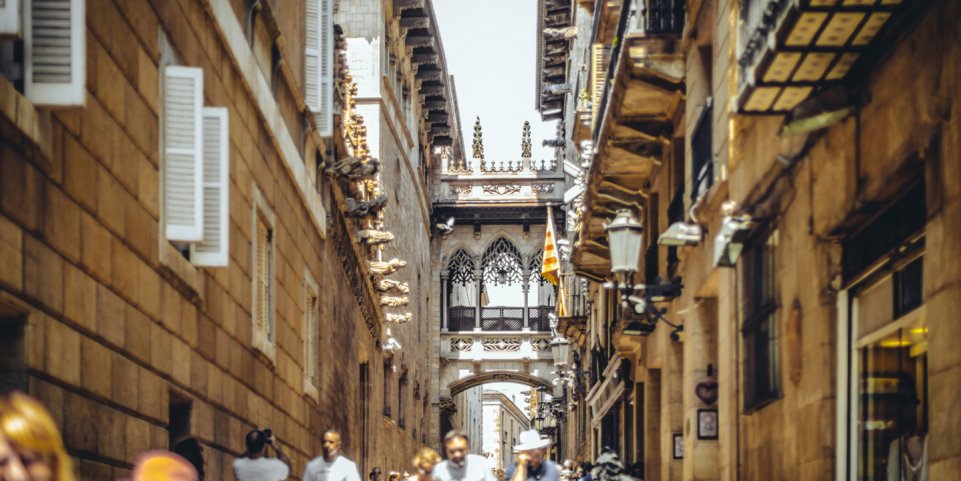
Day 1: The Gothic Quarter, the historic heart of Barcelona
The Gothic Quarter
Barri Gòtic – literally, "the Gothic Quarter" – is a tangle of narrow streets and buildings dating from the Middle Ages right in the heart of Barcelona. Head off from Plaça Sant Jaume, where you'll find the town hall, and admire the cathedral, a Gothic masterpiece completed in the 15th century.
The History Museum
If you're curious, head to the History Museum off the Plaça del Rei, to discover the remnants of ancient Barcelona, including an archaeological crypt. Here you can discover the history of the town from Roman times to the present day.
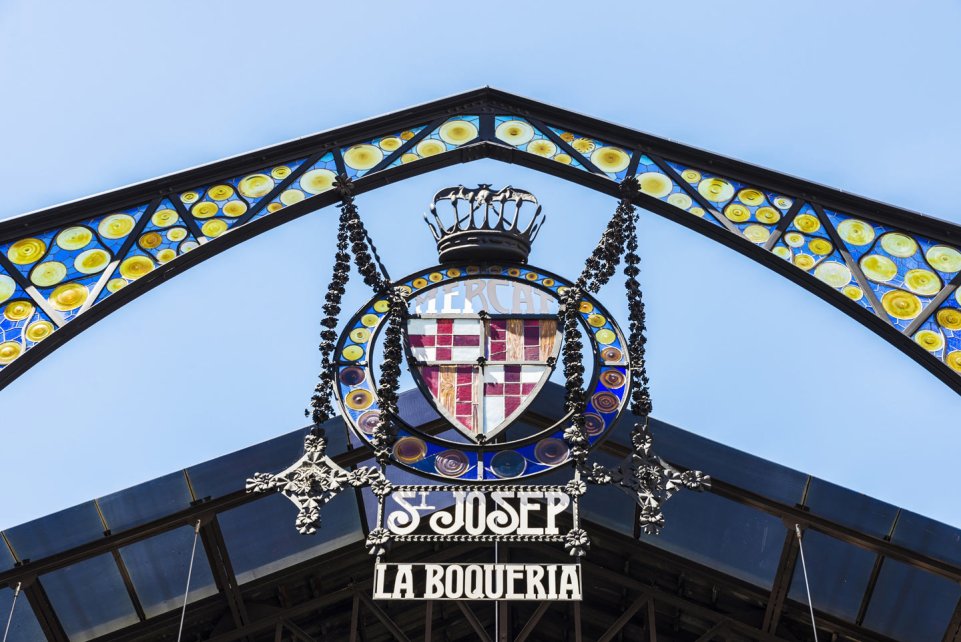
Day 1: La Boqueria market
Once you've taken the time to lose yourself in the narrow streets of Barri Gòtic, walk two minutes to the east (on the other side of La Rambla) to the Boqueria market. It's a huge, colourful covered market.
You'll find plenty of delicious little dishes to enjoy on the go, such as tapas. The many fruits and vegetables add colour to the market. Even if you don't want to buy anything, the atmosphere of the market is worth experiencing.

Day 1: Ciutadella Park
Barcelona's largest park is Ciutadella Park. Just a 15-minute walk from Barri Gòtic, this veritable oasis in the city, with its 17 hectares of gardens and ponds, is very popular with the locals.
Built in 1888 for the World’s Fair, in collaboration with Gaudí, the park impresses with its monumental waterfall and the Castle of the Three Dragons, which houses the Museum of Zoology. There's also the Barcelona Zoo, with a farm that younger visitors will love.
Take the time to stroll around and admire the waterfall and sculptures. And if you're looking for a bit of peace and quiet, hop on a rowboat for a leisurely cruise around the main pond.
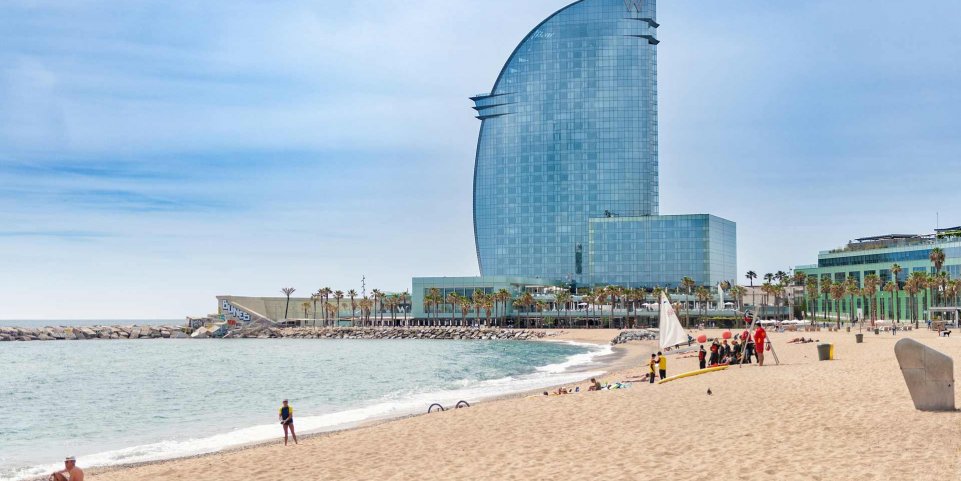
Day 1: Barceloneta, its bars and restaurants
As the day draws to an end, head to Barceloneta. This former fishermen's quarter, one of the most mainstream, emblematic districts of the Catalan capital, has become a veritable party town ever since the 1992 Olympics.
Along the seafront, take advantage of its many bars and restaurants, such as Bar Electricitat, a highly-reputed tapas bar with a warm Catalan feel.
This is also where you'll find the city's biggest beach, the bustling Barceloneta, from which a cable car can take you up to the Mirador de Miramar for a great view of the port.

Day 2: Montjuïc Hill
Montjuïc
To the south of the city, just above the port, you'll find Montjuïc, a hill on which the 1992 Olympic Ring still stands. You can look out over the city thanks to an exceptional panoramic view. And if you're too tired to climb, take the cable car!
Jardín de Aclimatación
In addition to the views, there are lush gardens, such as the Jardín de Aclimatación. Art lovers in particular will love the Miró Foundation. It features more than 200 paintings, sculptures, and 6,200 sketches by the Catalan genius.
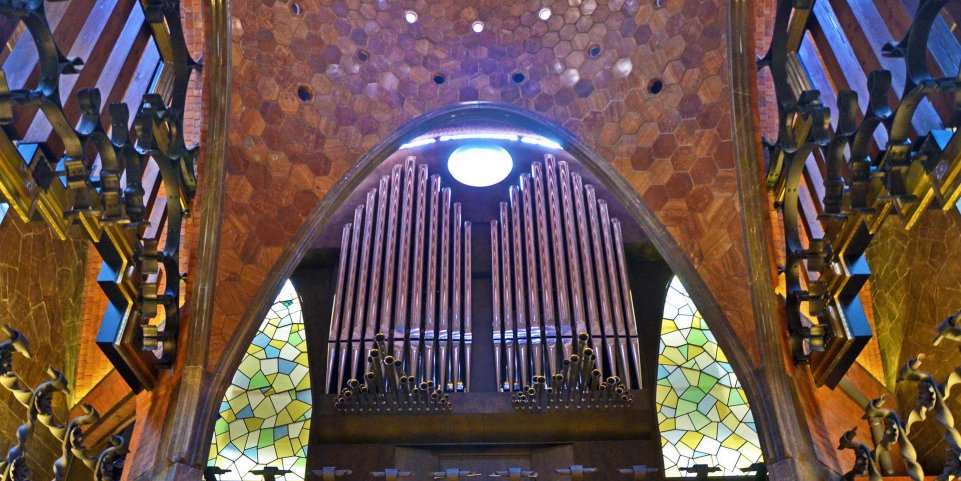
Day 2: Güell Palace
After a picnic break on Montjuïc Hill, head back down toward the city centre, to arrive in front of the Güell Palace. It is a magnificent mansion – a UNESCO World Heritage Site – designed by the famous Catalan architect, Gaudí.
It is richly decorated and has been impeccably restored. It's a must-see, because you won't see a building like this anywhere else on Earth! You'll discover Gaudí's artistic touch, with his remarkable mosaics and shapes.
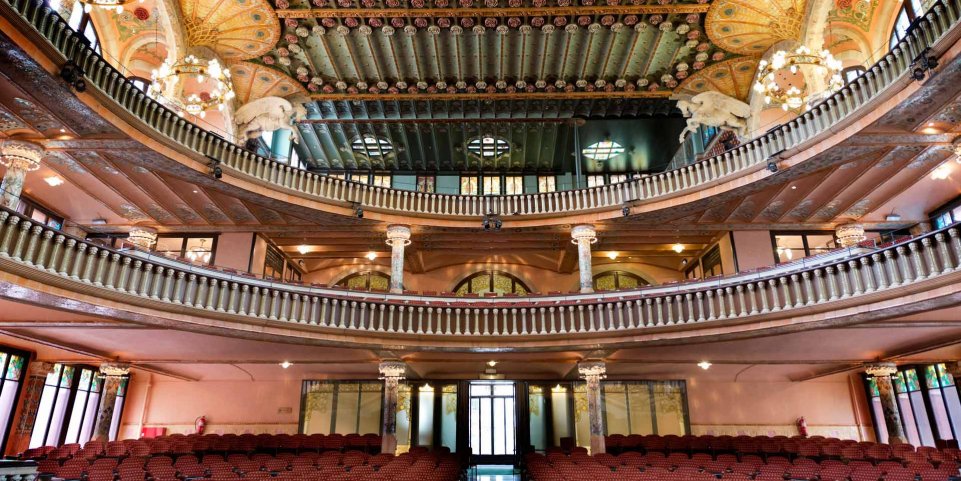
Day 2: Palace of Catalan Music
To round out the day, go to the Palace of Catalan Music, a huge Art Deco building that is also a UNESCO World Heritage Site. You can, of course, visit the site. But the best way to experience it is to attend a concert there.
There's something for everyone almost every night: opera, flamenco, classical music, jazz... The acoustics in the main auditorium are exceptional.
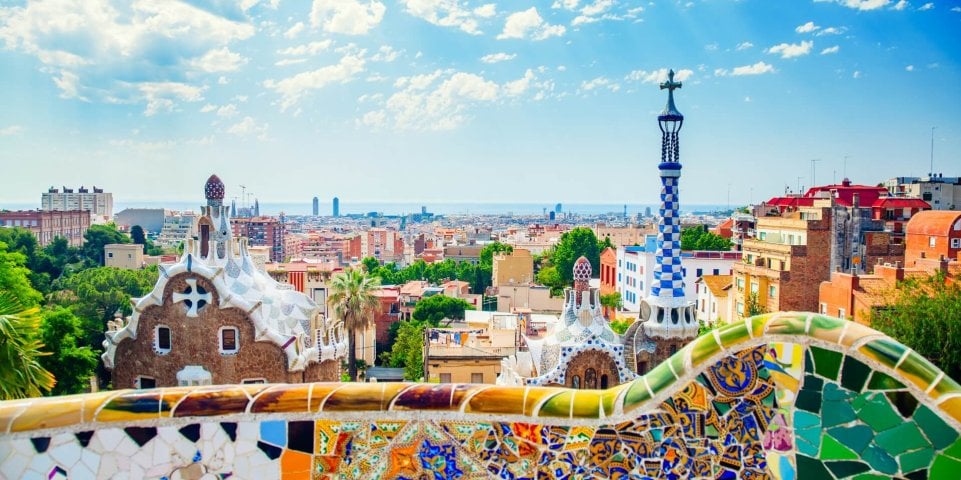
Day 3: Park Güell
The last day of your visit to Barcelona will be dedicated entirely to Gaudí! It has to be said that the architect left his mark all over the city. The Park Güell, built between 1900 and 1914, is a parade of colourful mosaics among the plants.
It is located in the north-west of Barcelona in the Gràcia district. Designed as a garden city, it comprises four houses integrated into the landscape. Covering over 17 hectares, Park Güell is a breath of fresh air and a great way to discover this unique architecture.
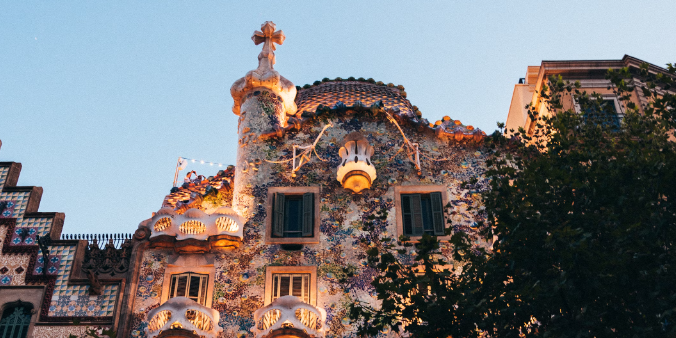
Day 3: Sagrada Familia
Take the Carrer de Sardenia avenue back down to reach the famous Sagrada Familia in 20 minutes. Construction of Gaudí's basilica began in 1882. But it was never completed!
Nevertheless, it remains the most famous monument to its architect and to Barcelona. As well as its panoramic summit, don't miss its crypt and the Nativity façade, which have been awarded UNESCO World Heritage Status.
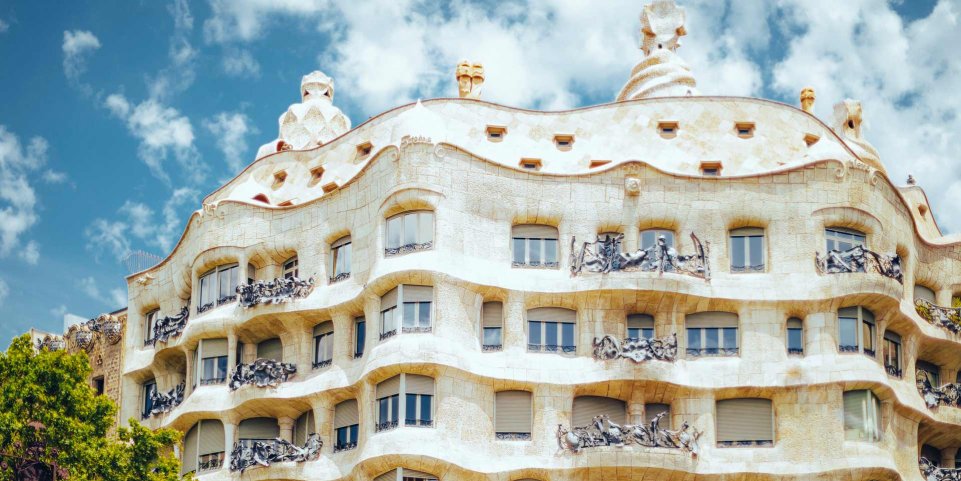
Day 3: Casa Milà - Peredra
Continue along Carrer de Provença for 20 minutes to arrive opposite Casa Milà. This mansion is one of Gaudi's last projects. Its monumental architecture and rough stone façade was disliked by Barcelona's residents.
But more than a century after its construction, it is one of the city's best-known buildings. In summer, there are even jazz concerts on its roof-top terrace!

Day 3: Casa Batlló
We end our three-day visit with a touch of exquisite delight at Casa Batlló. Here is a mansion that sums up the genius of Gaudí: undulating forms, shimmering colours, attention to detail... This is one of the finest masterpieces of modern architecture.
You absolutely must visit the building to discover its breathtaking interior courtyard, adorned with blue tile.
Getting to Barcelona by train
From Paris Gare de Lyon, with TGV INOUI to Spain, there are two direct trains a day to Barcelona (from October to March) and three trains a day from April to September (allow 6 hours 45 minutes for the shortest journey).
Barcelona is just 3 hours, 41 minutes from Nîmes by TGV, 3 hours, 10 minutes from Montpellier, and 2 hours, 36 minutes from Agde.
But you can also reach Barcelona from Valence, Béziers, Perpignan, Sète, and Narbonne.
The advantage: the trains goes right into the city centre, allowing you to save time for more exploring.